FAU’s Special Education programs stand out for their flexibility, expert faculty, and real-world impact. All master’s programs are fully online, allowing you to balance your studies with your life. You’ll learn from faculty who are leaders in their fields and connected to professional organizations. FAU’s curriculum is built on the latest professional standards and offers concentrations in high-demand areas like Applied Behavior Analysis (ABA) and Autism Spectrum Disorders (ASD). Tuition is among the lowest in the nation, and you can complete your degree in as little as 16–24 months (master’s) or 3.5 years (Ph.D.). Graduate assistantships and research opportunities help you build your expertise and network.
Degrees Offered at Florida Atlantic
Undergraduate Degrees
- Bachelor’s in Early Care and Education
- Bachelor’s in Exceptional Student Education
Graduate Degrees
- Master’s in Special Education (M.Ed.) with concentrations in
- Applied Behavior Analysis (ABA)
- Autism Spectrum Disorders (ASD)
- Early Childhood Special Education
- Special Education Intervention Specialist
- Master’s in Special Education with Concentration in ABA (M.Ed.)
- Ph.D. in Special Education (with focus areas in ABA, ASD, Early Childhood, or Intervention Specialist)
- Non-degree certifications and endorsements:
-
- Autism Teacher Certification Endorsement
- Applied Behavior Analysis Graduate Program
- Exceptional Student Education (K-12) State of Florida Teacher Certification
- Infant Toddler Developmental Specialist (ITDS)
- Pre-K State of Florida Teacher Certification Endorsement (Pre-K–Grade 3)
Explore Degree Programs in Special Education
Educational Objectives & Student Outcomes
2. Equip you with leadership skills for roles in schools, agencies, and higher education.
3. Develop your ability to conduct and apply research that advances the field of special education.
4. Foster collaboration with families, schools, and communities to support diverse learners.
2. Apply evidence-based practices to improve learning and quality of life for individuals with disabilities.
3. Communicate and collaborate effectively with families, professionals, and community partners.
4. Lead and advocate for inclusive, equitable educational opportunities.
5. Engage in ongoing professional development and contribute to the field through research and service.
Explore the Latest News in Special Education
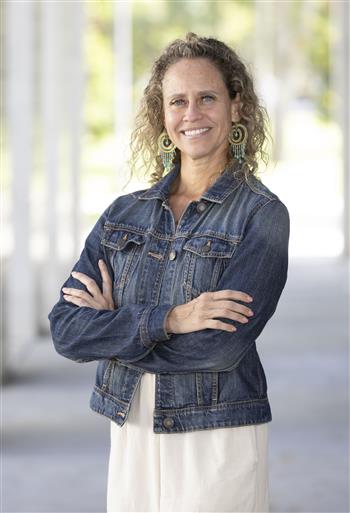
Elisa Cruz, Ed.D.
Instructor
College of Education
Special Education
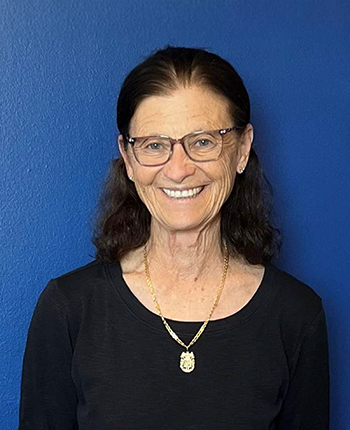
Ellen Ismalon
Secretary
College of Education
Special Education
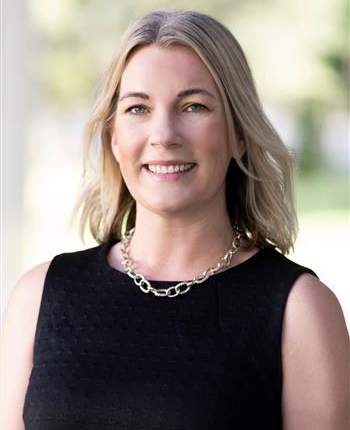
Katie M. Miller, Ph.D.
Associate Professor
College of Education
Special Education
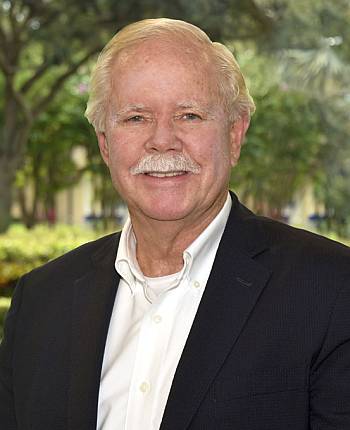
Jack Scott, Ph.D., BSBA-D
Executive Director
College of Education
Center for Autism and Related Disabilities

Gregory Taylor, Ph.D.
Instructor
College of Education
Special Education